

Summer forage crop options
What’s on the menu for summer?
Keep production up, costs down as temperatures rise.
Well-managed pasture does an excellent job of feeding animals much of the year.
But the long, hot, often humid days of summer demand forage with higher quality and faster growth to keep production on track.
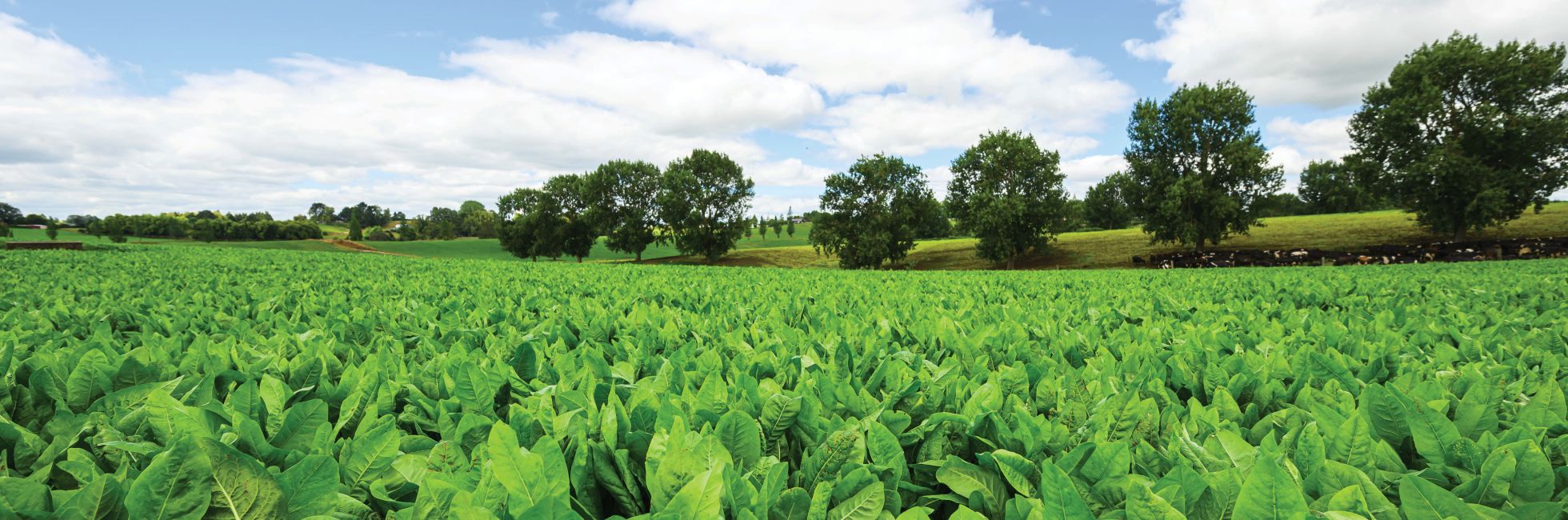
Summer crops like chicory, turnips and forage rape don’t just offset poor grass quality; they help prevent over-grazing stressed paddocks, harbour no facial eczema or internal parasites, and usually handle drought better than pasture.
Carefully planned and established, they also reduce the need for imported supplements like palm kernel.
What are the options?
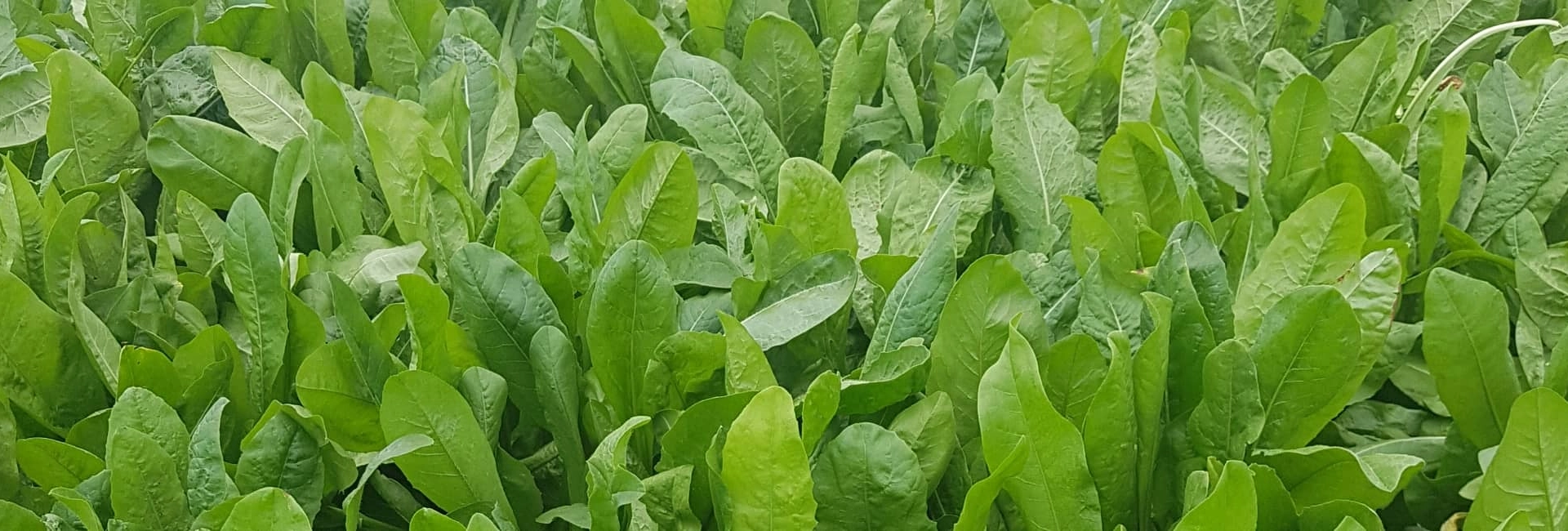
Chico is a one to three year chicory, high-yielding, leafy and upright. It’s renowned for high ME and ideal for optimising animal performance in dairy and red meat systems. Chico establishes rapidly from spring sowing, and produces tonnes of very palatable feed from spring through autumn. Drought tolerant, with a metre long taproot, it’s free of diamondback moth and white butterfly.
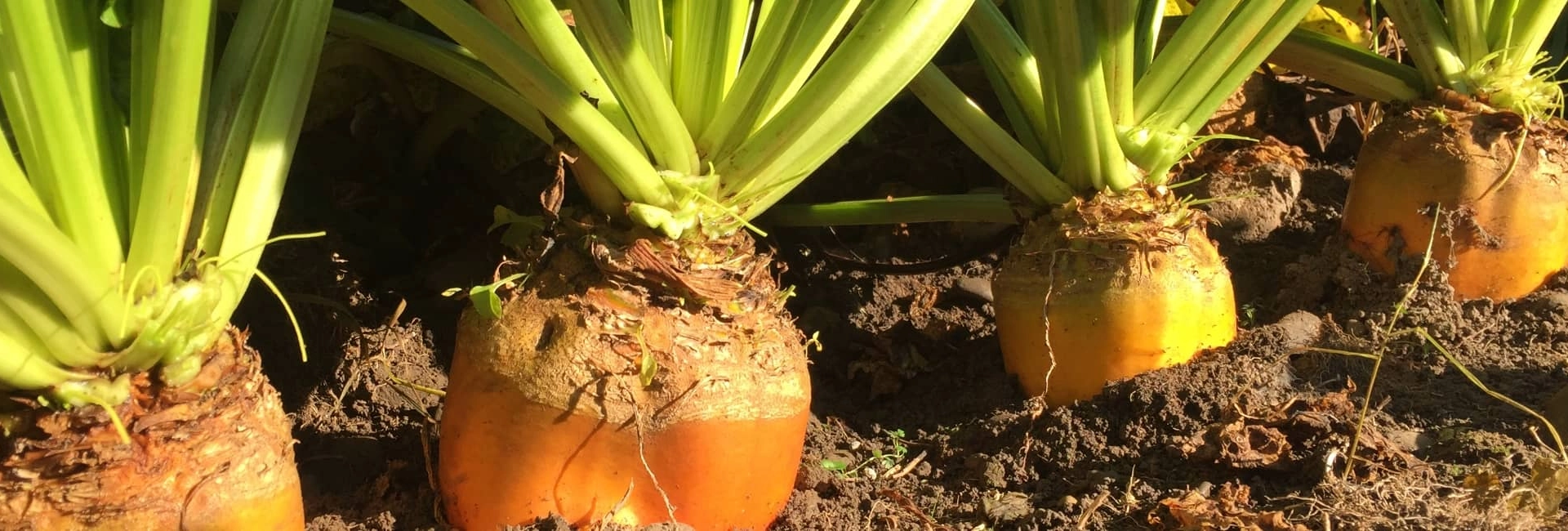
Marco is a tetraploid summer turnip ready for grazing just 55-65 days after sowing. Palatability, ME and digestibility are high, and Marco has large bulbs with a superior bulb to leaf ratio. Tolerance to club root and bolting is good, and excellent bulb storage offers the potential to sow two Marco crops in one season, or use it late sowings if another crop fails.
Rifleman is an intermediate forage rape, bred for fast re-growth and multiple grazings through summer and autumn. It’s ready to graze 70=90 days after spring sowing, depending on conditions, and features a high leaf to stem ratio for good nutrition and animal performance. Disease tolerance is good.
Pillar is a giant-type forage rape, with high dry matter yields and robust re-growth offering multiple grazings for summer and autumn feed when sown in spring. Maturity is 90-110 days, and it is very fast establishing. Disease tolerance is good.
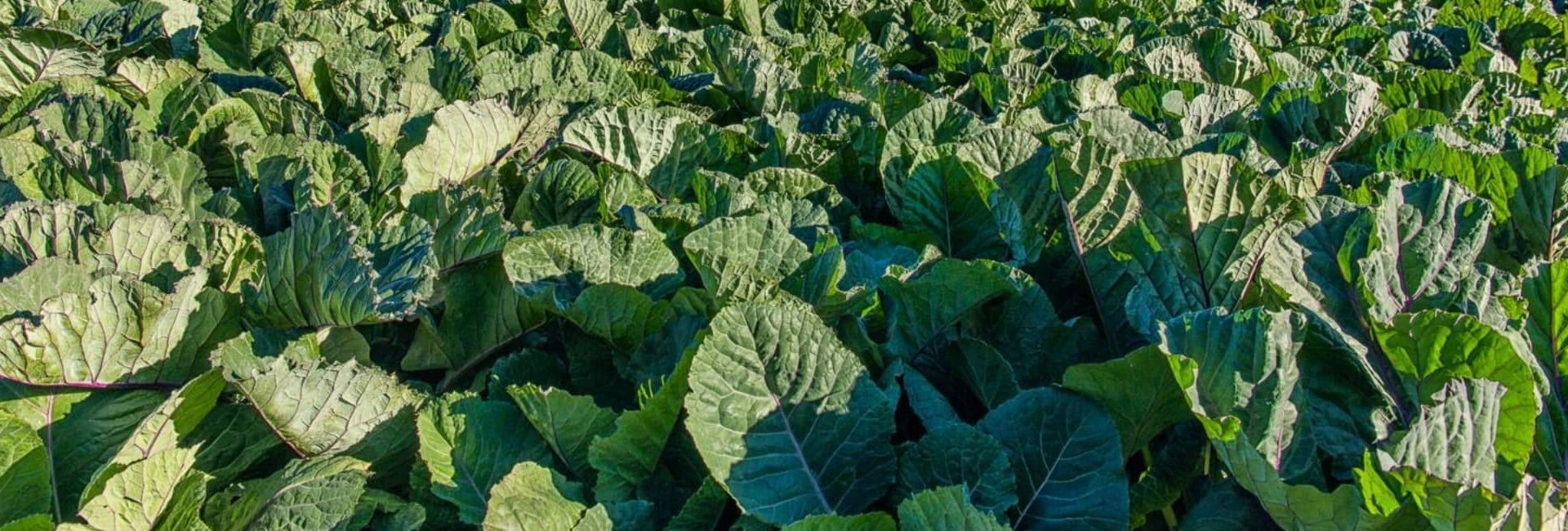
Kea is an intermediate kale selected for its high dry matter yield and leaf percentage.
Thanks to its rapid growth and high leaf content, Kea offers flexibility: it can be used as a high-yielding single-graze Winter feed or as a multigrazed option. When planted in early Spring, Kea can be grazed multiple times throughout the Summer and Autumn months with sheep or young stock. This adaptability adds flexibility to farm systems and transforms how kales have been historically utilised on New Zealand farms.
As always, attention to detail delivers the best results. Paddock selection, preparation, fertility, cultivar choice, drilling technique and weed and pest control are all part of achieving crops to be proud of.