



Navigating the transition: Best practice guidelines for fodder beet and brassica
Best practice guidelines for fodder beet and brassica
The work that began with spring sowing is about to pay off. As we move into the winter-feeding period, the shift from a pasture-based diet to high energy crops like brassicas and fodder beet represents one of the most physiological changes a herd will undergo. Success in wintering doesn’t just depend on the volume of crop grown, but on how safely and efficiently the animals transition on to it.
A well-managed transition period typically spanning 7 to 21 days depending on the crop is essential to allow rumen microbes to adapt. Getting this right protects animal welfare, prevents metabolic issues like acidosis, and ensures that the investment in the crop translates into maintained body condition.
Fodder beet
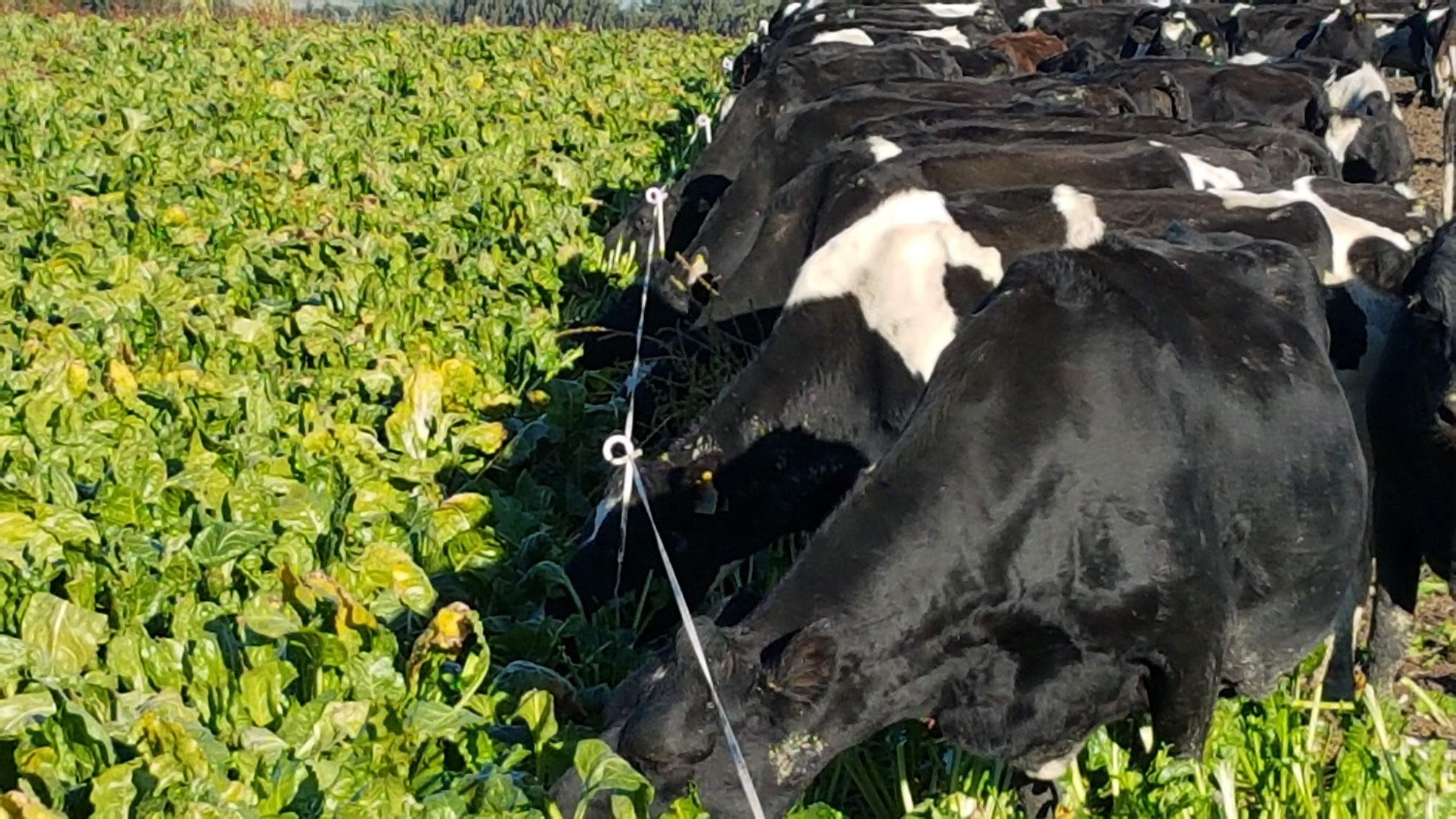
Fodder beet is a high-performance feed, but its sugar content makes it a high-risk crop for acidosis if the transition is rushed. A 14–21-day transition period is recommended.
• Starting allocation: ensure animals are well fed prior to initial introduction to prevent over feeding. Start with 0.5-1kg DM/animal/day for mature cattle, 0.5kg DM/animal/day for younger stock or sheep and increase by no more than 0.5-1kg DM every second day, to a maximum of 65-75% of their total intake.
• The “no bulb left behind” policy: only increase the allocation if the previous day’s crop has been fully utilized. If bulbs are left behind, stay at the current rate until nothing is left behind.
• Supplementation strategy: during the transition period, at least 25-35% of the diet should consist of quality supplements. Since fodder beet is low in protein, utilizing a high-protein pasture silage alongside the crop is a strategic way to balance the diet.
– Fodder beet is low in calcium and phosphorus, so supplementation of these minerals may be required.
– Fibre supplementation. Fodder beet, as well as having high sugar content, can be low in fibre, so consider a supplementary source of good fibre alongside other supplementation.
• Infrastructure: aim for at least 1 meter of face space per animal to ensure even intake across the mob and prevent dominant animals from over-consuming. From practical experience, feeding the long face of the paddock, will allow a thinner and longer face, for animals to receive their allocation without competition.
Brassicas
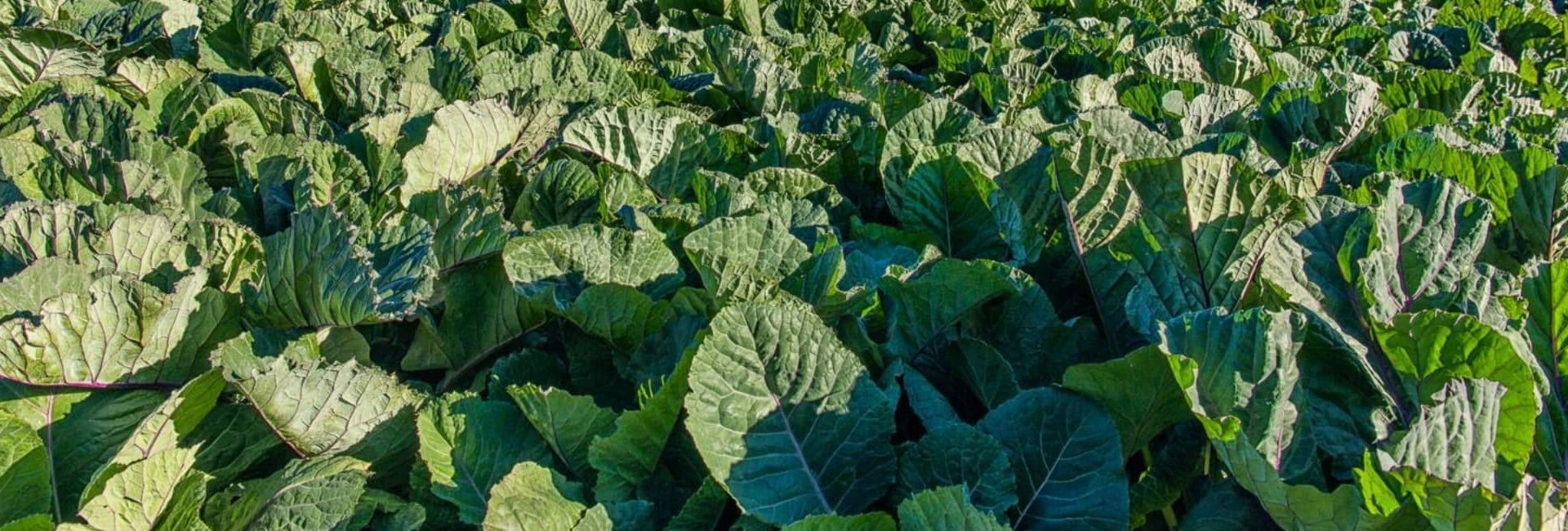
While brassicas (kale, swedes, turnips and rape) generally have a shorter transition window of 7-14 days, they can carry specific risks related to nitrate levels and secondary compounds.
• Starting allocation: begin at 1-2kg DM for cattle, less for sheep and deer, and increase by 1kg DM per day.
• Fibre is key: ensure high-fibre supplements make up at least 20% of the total diet to maintain rumen function. Feeding these supplements before animals have access to the crop ensures they don’t hit the break with an empty stomach.
• Maturity matters: avoid feeding crops that have reached the reproductive stage, as toxicity risks increase significantly. When feeding rape crops, a maturity period should be observed before feeding the crop, depending on the variety being feed, early feeding can result in animal health issues such as scald.
• Observation: be vigilant for clinical signs such as “red water” (SMCO toxicity), photosensitivity, or uncoordinated movement.
• Nitrate testing: brassica crops can accumulate high nitrate levels, particularly during late autumn and early winter. If concerned, collect a representative sample, targeting the lower stems and stalks where nitrates accumulate, and submit your sample to a vet or laboratory for analysis prior to introducing stock.
Success starts with accurate yields
You cannot manage what you do not measure. Transitioning based on “book values” or visual estimates is a recipe for disaster. Every paddock should be weighed and sampled to determine the actual DM yield. These figures are the foundation of your daily break calculations. The ForageSelect app, can be a great way to measure your crop.
Practical tips for the paddock
• Water access: always provide a reliable source of fresh, clean water, as high-DM diets increase thirst. A mature dry cow, will have a water requirement of 19-20L/cow/day
• Paddock layout: use long, narrow breaks to improve utilization and utilise a second safety wire to prevent breakouts.
• Monitor: check animals frequently during the first two weeks. Early intervention can be the difference between a simple treatment and a loss.
By following these guidelines, you ensure the health of your animals and the profitability of the season.
For further information, see Management Practises for Forage Brassicas which can be found at: https://www.dairynz.co.nz/media/izxkzkpt/management_practices_forage_brassicas.pdf