
Get covers right for calving
How are those covers shaping up for calving?
Skip the stress, save money and be prepared
Anyone who has ever hit a pasture deficit in the second rotation after calving knows how quickly it can mess things up at critical time of year.
This is a real Goldilocks zone where having just the right amount of grass tips the balance between stress, and success.
Right now, before calving starts, there’s one last chance to head off any potential problems. All it takes is a bit of time, some contingency options, and the DairyNZ spring rotation planner.
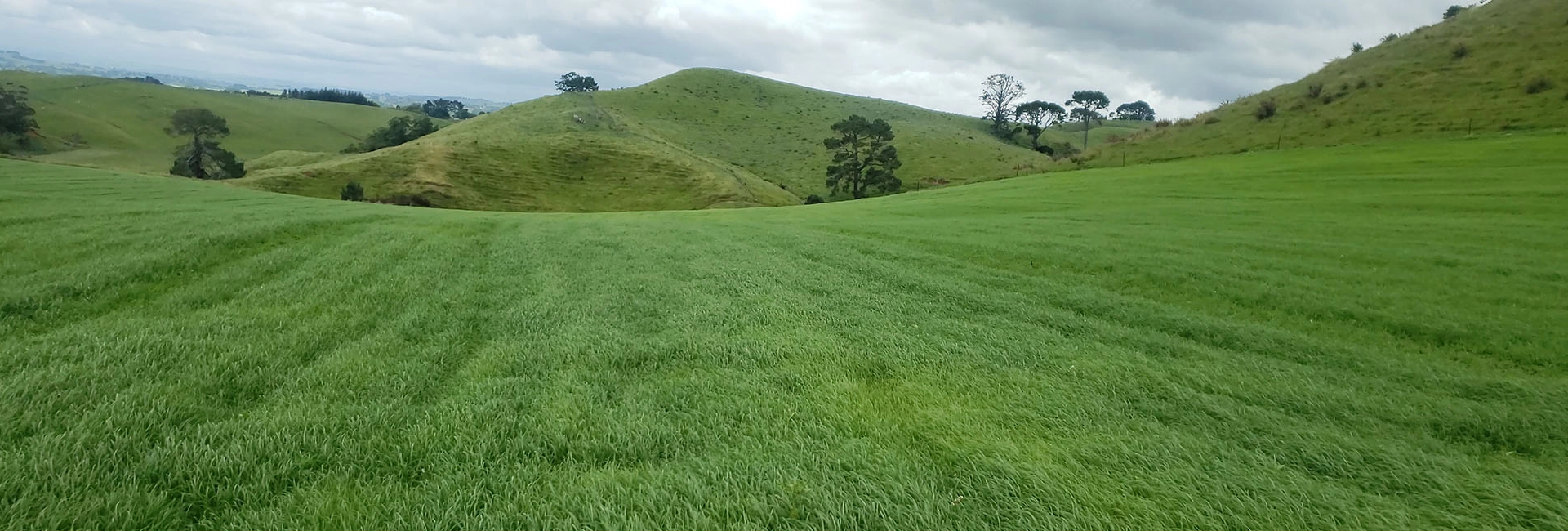
Step 1: Take stock. The goal is to start calving with a range of covers across the farm, so some paddocks are ready to graze straight away (3000-3500 kg DM/ha), and others are ready later (1500-2000 kg DM/ha).
Having too much grass, too early, is just as disruptive as having too little, leading to poor utilisation, wastage, loss of quality and slow re-growth.
Assess covers carefully, and keep an eye on growth rates.
Step 2: Don’t wait. If covers aren’t where they should be, for whatever reason, acting now will almost certainly be cheaper and less stressful than trying to fix an unexpected deficit (or surplus) when calves are arriving left and right and everyone’s flat out.
Not enough growth? Nitrogen while soil temperatures are still relatively warm lifts supply and costs less than truckloads of supplement later.
Too much growth? Get on top of it before pasture quality takes a hit. Grass doesn’t keep. That’s why pre and post grazing residuals are so important all season.
Step 3: Look ahead. Download the spring rotation planner from DairyNZ. It take the guesswork out of grazing management between now and balance date, and helps keep things on track when pasture supply and demand dynamics change.
It’s particularly helpful in keeping rotations from getting too fast, too soon.
Doing this legwork now, before lactation kicks off, is also a great opportunity to identify any damaged pastures after winter, and plan accordingly for their repair in spring.