
Forage crop husbandry
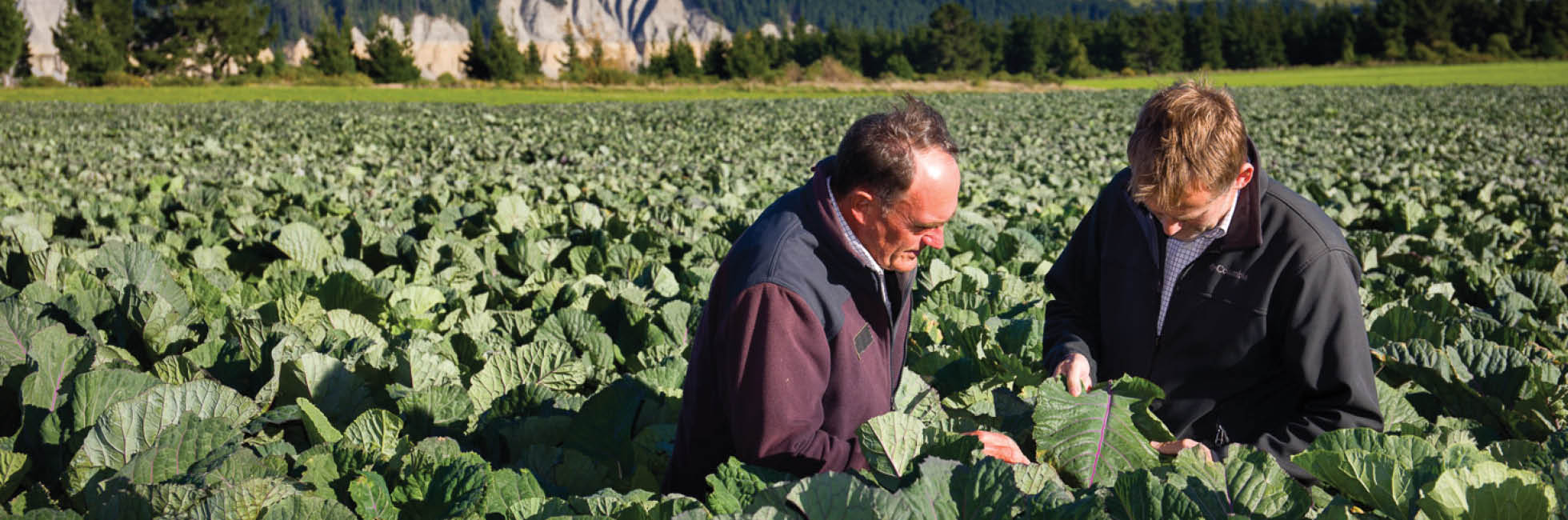
Look sharp, and act fast
Young forage crops reward TLC
Greasy cutworm showed many farmers last year how fast a good forage crop can turn into no forage at all.
If you weren’t affected, be thankful, and be warned.
Newly sown forage seedlings are up against so many challenges it’s a wonder they survive. Between weeds and insect pests, tonnes of high quality feed can be lost virtually overnight.
First rule of thumb? Always sow treated seed as the first line of defence.
After that, the best way to protect crops is to get in amongst them from day one. Constant close monitoring might seem time-consuming, but it’s easier, cheaper and less stressful than poor yields, or having to resow entirely.
For forage brassicas, best practice starts before seedlings germinate, with post-plant, pre-emergence herbicide to control grass and broadleaf weeds.
After germination, walk all crops every one to two days for the first few weeks, scouting for signs of insect pest damage, and for weeds that may need to be taken out.
Assuming slug bait is already sorted where needed, springtails and Nysius are typically the earliest threat, so know what to look for.
Post-emergence herbicides work best when applied to actively growing small seedling weeds before the crop canopy closes, so they are typically applied three to six weeks after sowing.
Target timing is 2-8 true leaves on the weeds, by which time the crop usually has 2-4 true leaves.
As the crop matures, weekly monitoring is usually enough, but heed the cutworm lesson from 2025. This pest becomes active in October, and likes chicory, turnips and forage rape.
Brassicas also need to be watched carefully for diamondback moth, aphids, leaf miner and white butterfly later in the season.
Plenty of good advice and products are available; if in any doubt, reach out for specialist recommendations. Better to be safe than sorry.