





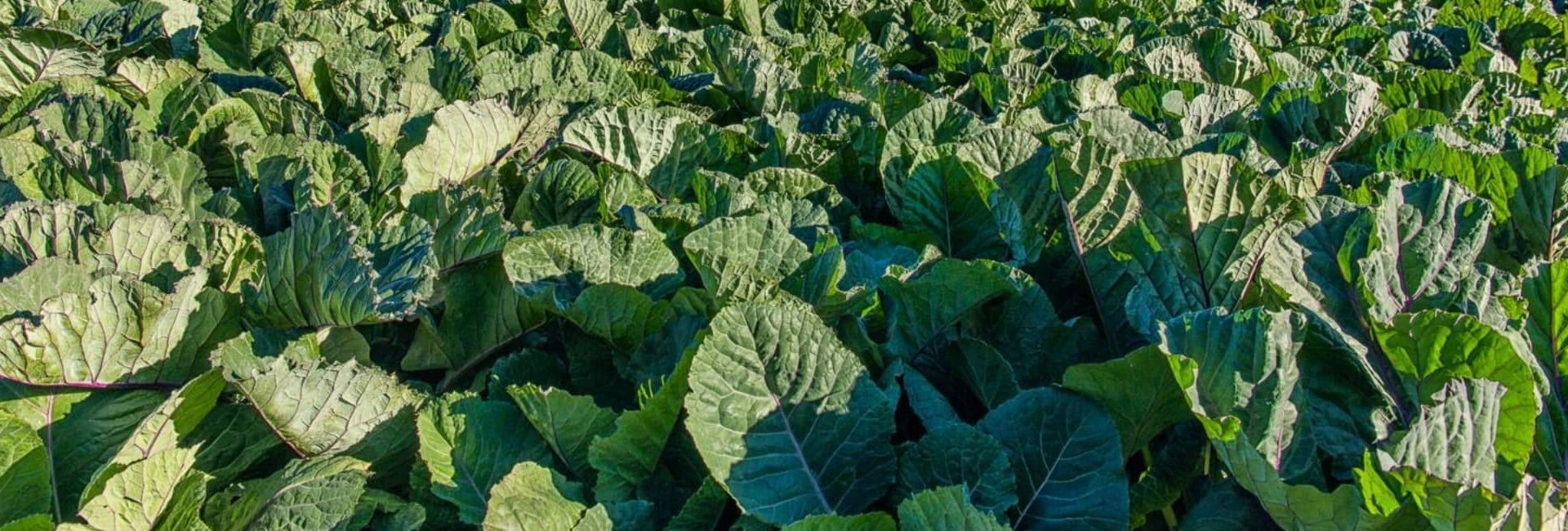


Fodder beet establishment
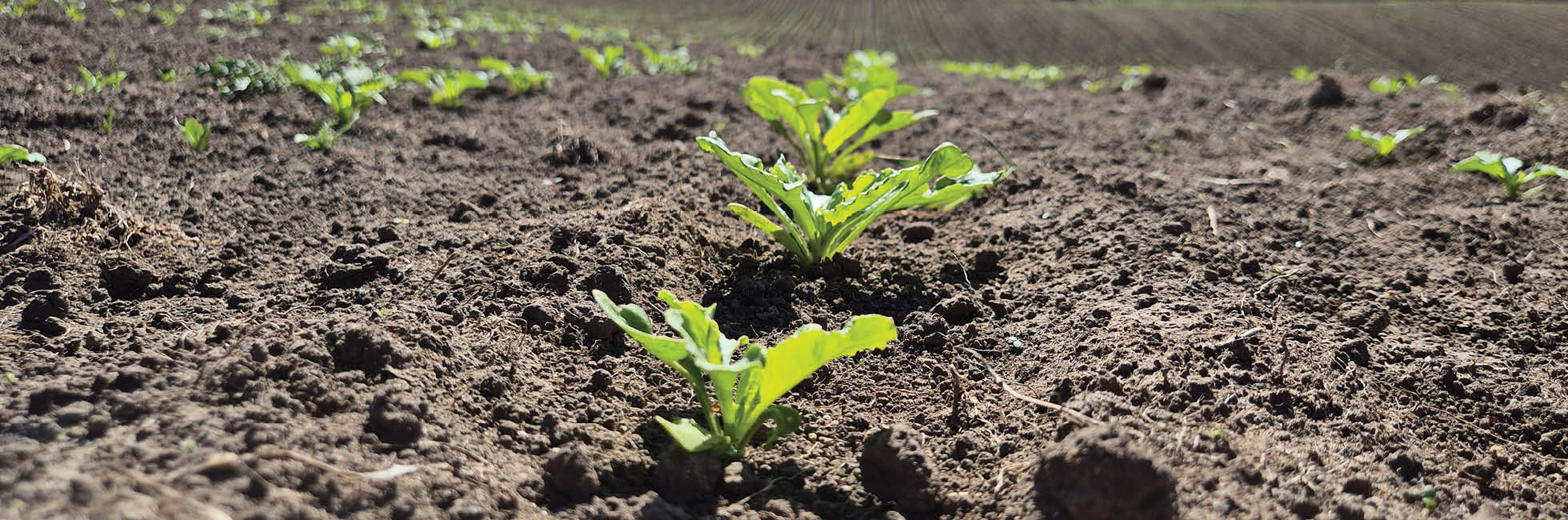
Why preparation is everything for fodder beet
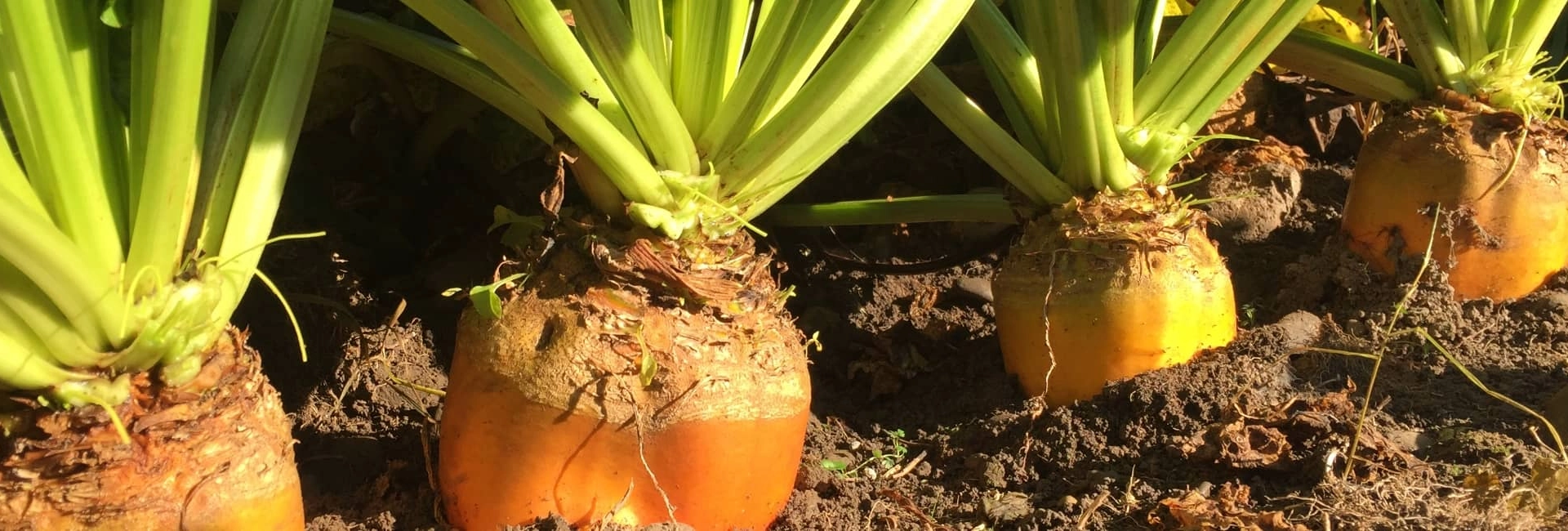
Fodder beet is many things, but it is not forgiving! In return for very high yields and energy, it demands close to perfect conditions for establishment.
Sown at a fraction of the rate used for forage brassicas, it not only starts life with thousands fewer plants per ha – each of which must survive – but takes longer to get going.
Fortunately, we know what’s needed to achieve the best possible start for crops of Dynamo, Kokomo, Anselmo or Geronimo.
Soil nutrients, paddock preparation, early weed control and early insecticide – are the key priorities.
Getting fertility right starts 6-12 months before sowing. Soil test to 150 mm deep, with special focus on pH because fodder beet is very sensitive to acid soils. Recommended target pH is 6.0-6.5, ideally 6.0-6.3.
Consider the paddock history, Fodder beet can be sensitive to certain chemistry, which can often stay in the soil for several years
Target Olsen P ≥15; apply 25-50 kg phosphate/ha as a pre plant dressing.
Fodder beet has high demand for potassium (K), magnesium (mg), sodium (Na) and boron (B). Apply and incorporate fertiliser before sowing to avoid seed contact.
Nitrogen (N) is typically required at sowing followed by later top-dressings at just before canopy closure to help with leaf expansion and weed suppression.
A stale seedbed gives best results. Spray out the crop paddock 4–6 weeks before sowing; plough to bury residue ≥25 cm and break pans, then plan for multiple surface cultivations to create a fine, clod-free, firm, moist, level tilth.
This crop is highly susceptible to both dry conditions and weed competition. Optimal seedbed preparation reduces moisture loss, improves pre-emergence herbicide performance and minimises weed pressure.
Roll before or after drilling to improve seed to soil contact, which is also critical. Fodder beet should be precision sown at about 2 cm deep when soil temperatures are consistently >10°C.
Without pre-emergence herbicide immediately after sowing, slow growing beet seedlings are at the mercy of weeds like fathen, fumitory and willow weed.
This vulnerable period lasts 8-10 weeks; potential crop yield lost during this time will never be recovered, so it pays to be on top of weeds as early as possible.
Further selective herbicide may be needed before canopy closure; monitor crops closely and seek advice if necessary.
Early control of Nysius, slugs, springtails and cutworm is often necessary. These insect pests are common at sowing. Several insecticides are available; seek advice about tank-mixing compatibility with early herbicide.