Case Study - James Starling - South Australia- Dash
More energy in every mouthful
When your highly productive red meat breeding business relies on 3000-4000 tonnes of home-grown grass silage a year, every percentage gain (or loss) in feed quality impacts the bottom line very quickly.
A former banker, fifth-generation South Australian farmer James Starling knows the numbers all too well, which is why he introduced a new ryegrass for silage cropping five years ago, and has stuck with it ever since.
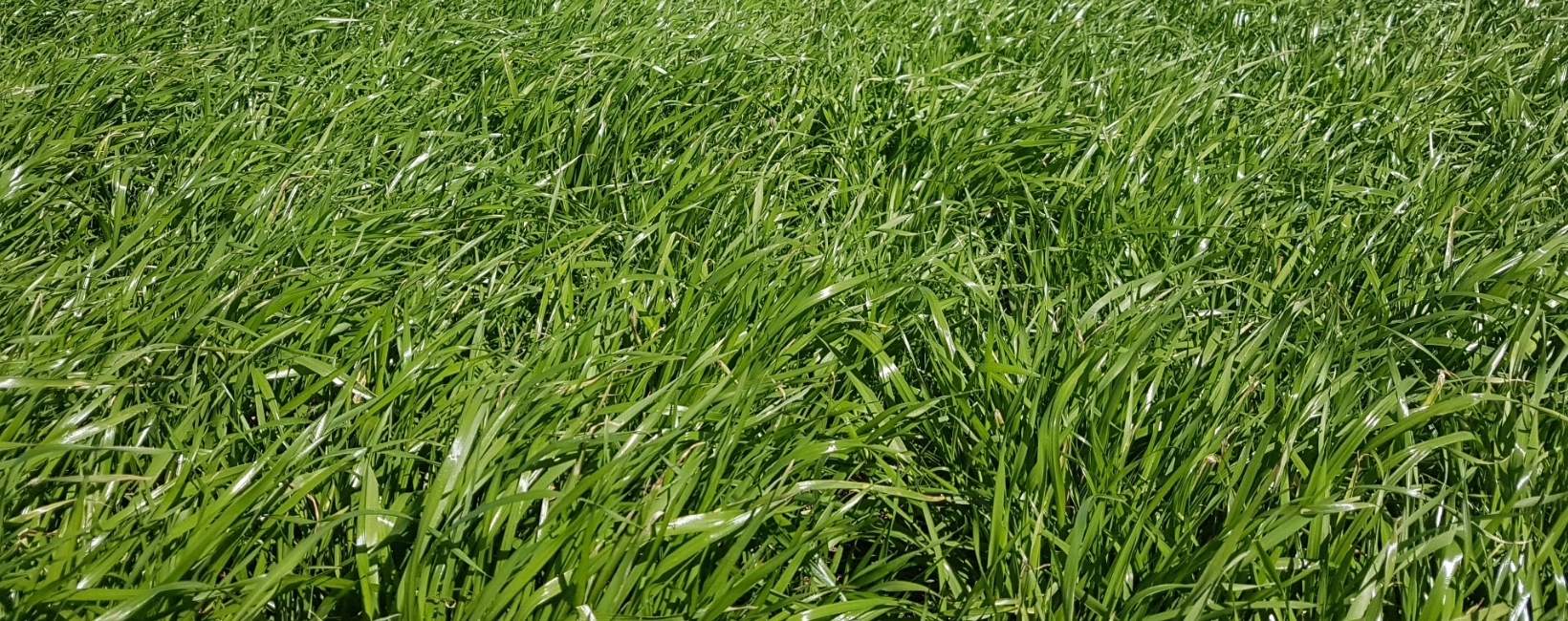
Lab test results show average silage quality is consistently up 10% since he began using Dash, a late-flowering tetraploid annual.
“We have previously used other annuals, and forage cereals as well, but we wanted something that would increase the energy density of our silage ration in megajoules of metabolisable energy per kilogram of dry matter (MJ ME/kg DM).”
Dash has done the job and then some, to the point where this year’s planting is up to 170 ha and is likely to continue increasing in the future.
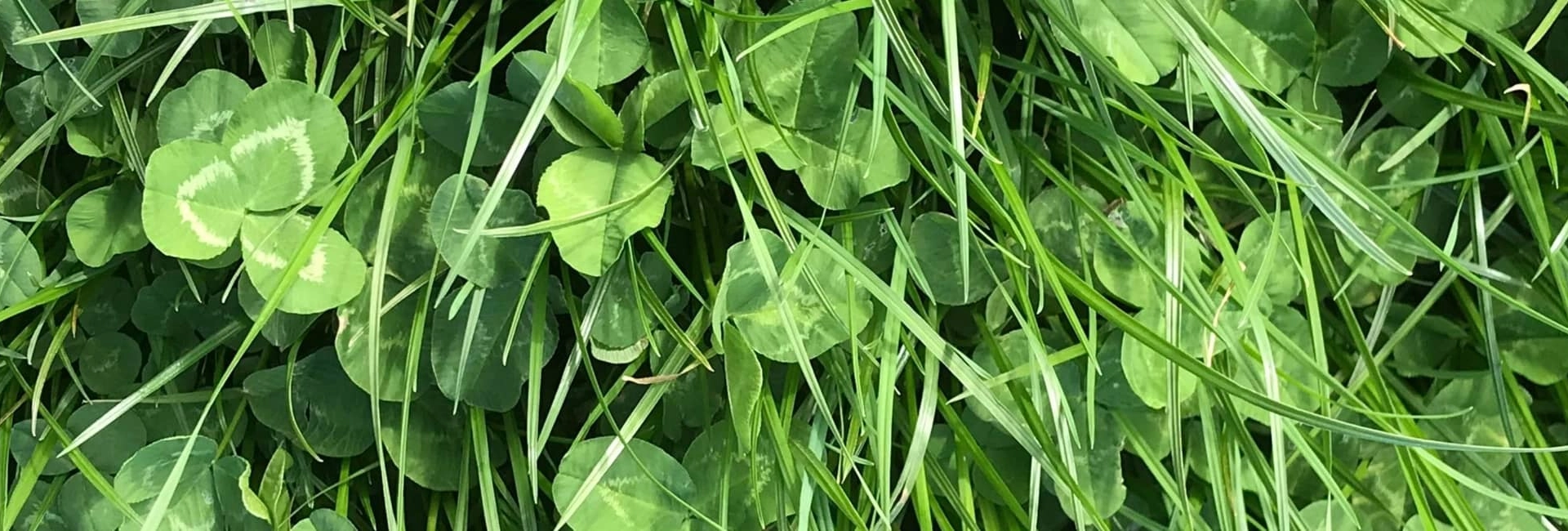
Mixed with lucerne or Balansa clover for extra protein, it’s not only very palatable once ensiled, but highly digestible, with the associated benefits of increased animal intake, and faster growth.
Telang Lamb + Beef, the Starling family’s business, is based on 2,100 ha at Wangolina on the Limestone Coast south of Adelaide.
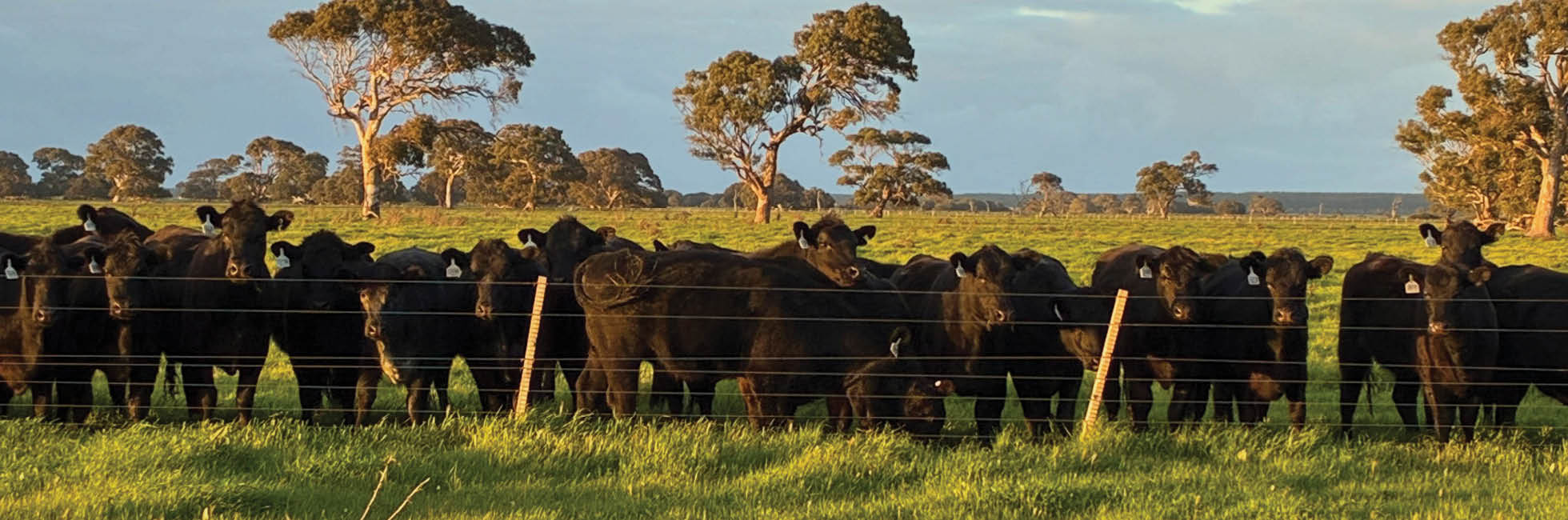
James runs 5,500 Merino ewes plus 1,200 Angus cows on the property. Ewes are mated to Border Leicester rams. First-cross wethers are sold for processing and the ewes as capital breeding stock to other farmers.
Most calves are sold as weaners for grass finishing, but depending on the season, some young cattle are retained to heavier weights.
With a short growing season, and extended periods of winter inundation typical of the area, James says autumn-fed silage is critical to maximising farm productivity
“We’ve made the move to containment feeding for our sheep, so from the end of January to the end of April all the ewes are on a ration of silage and barley. That allows us to carry more stock, and it keeps them off our pastures so we have more feed for lambing from May.
“It’s also great for parasite control. We only drench once a year. If I was starting a farm from scratch today, the first thing I’d do is put in a containment system.”
Drought’s not usually a challenge for the farm, but if they do hit a dry spell, containment works just as well for drought mitigation.
Cattle are next in line for this type of system, he says, and when that happens, 170 ha of annual ryegrass for silage will become 250 ha.
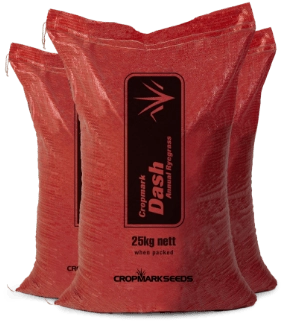
Bred by Cropmark Seeds, Dash tetraploid annual ryegrass is a fast-establishing winter feed cultivar ideally suited to high-quality silage and grazing. Ask your merchant about it today.
Featured Products