Case Study - Aydan Garrett - Gippsland - Appeal Italian Ryegrass
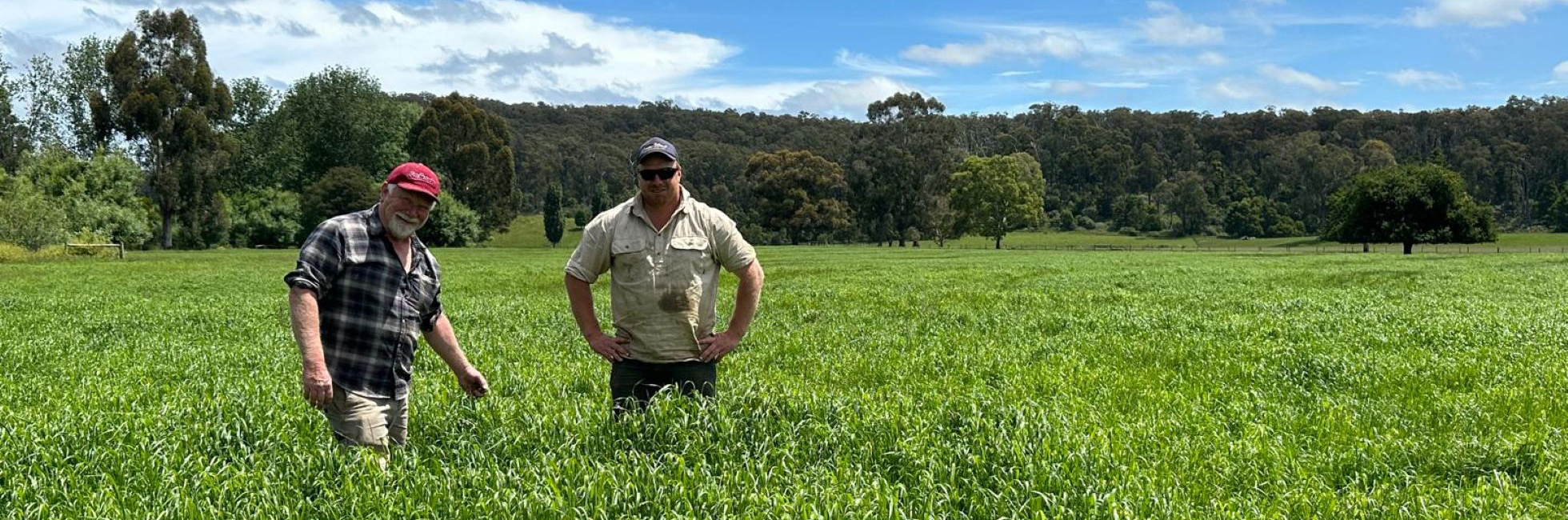
Growthy Italian appeals to beefy Angus
Introducing a tough, high yielding Italian ryegrass to their pasture rotation has been a double win for one Gippsland beef farming family, giving them tonnes of quality grass for both grazing and silage.
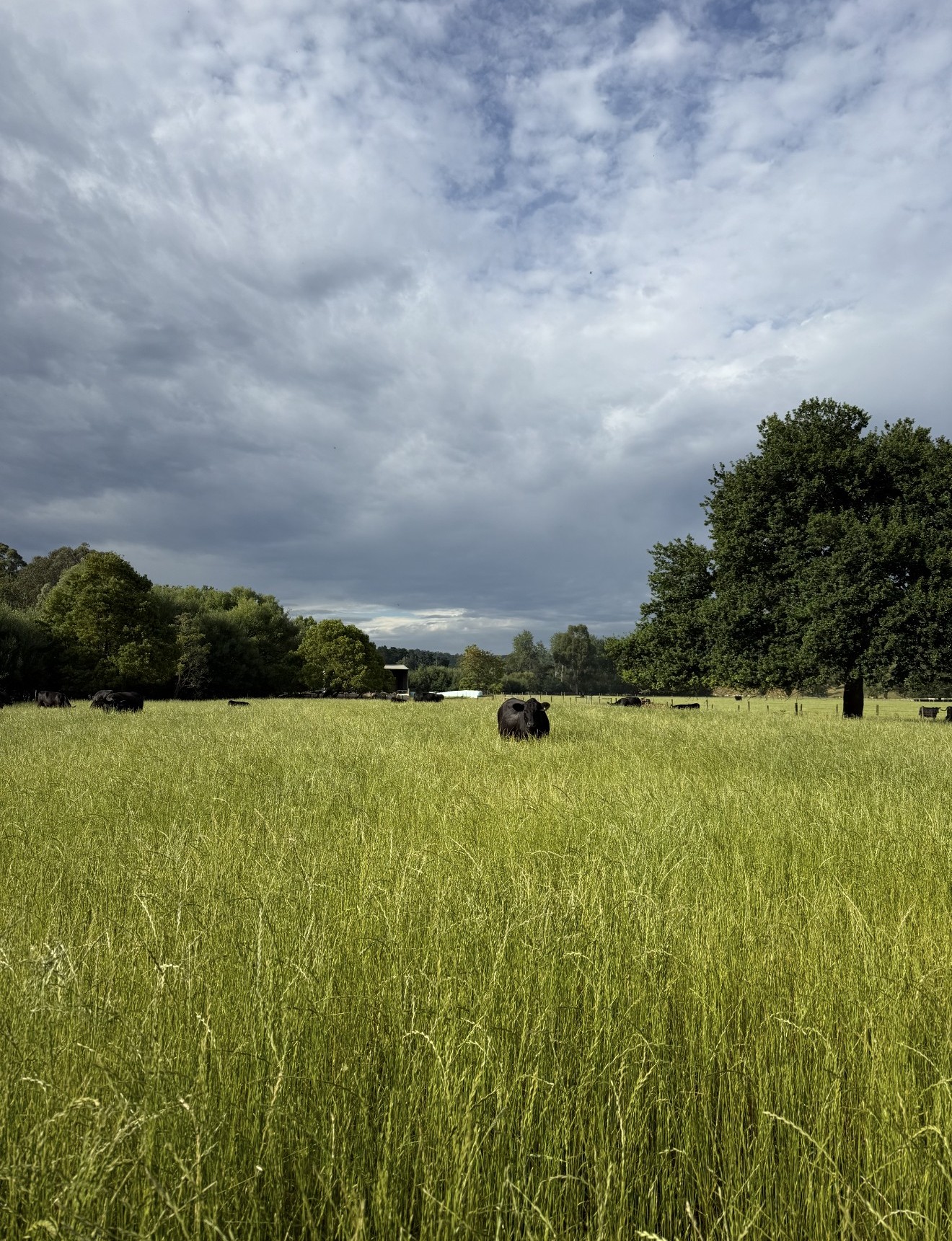
Home base for the Garratts of High Voltage Consultancy is 700 acres at Flynns Creek, south of Traralgon.
There they run 350 Angus breeding cows a year, with replacements, and grow out up to 350 surplus heifers and steers for the local market.
All animals are grass-fed; the only supplements are home-made grass silage and hay.
Aydan Garratt says reliable rainfall of about 750 mm a year is the farm’s biggest strength, along with some highly fertile, productive soils.
On the flip side, as is typical in the region, they also have marginal, north facing areas with lower fertility and high pH, so adaptability is a must for cattle, management and pasture alike.
Contour likewise varies widely: “We’ve got a bit of everything here, from flats to hills.”
Unlike other cultivars, Appeal Italian ryegrass doesn’t mind the variability at all, nor the occasional extremes of wet and dry, including days spent underwater on heavy, flood-prone creek flats.
After four years of solid performance, not to mention ‘how hard we’ve been able to push it,’ that flexibility has made Appeal the Garratts’ Italian of choice, Aydan says.
Over 100 acres were sown last autumn, bringing their total close to 250 acres.
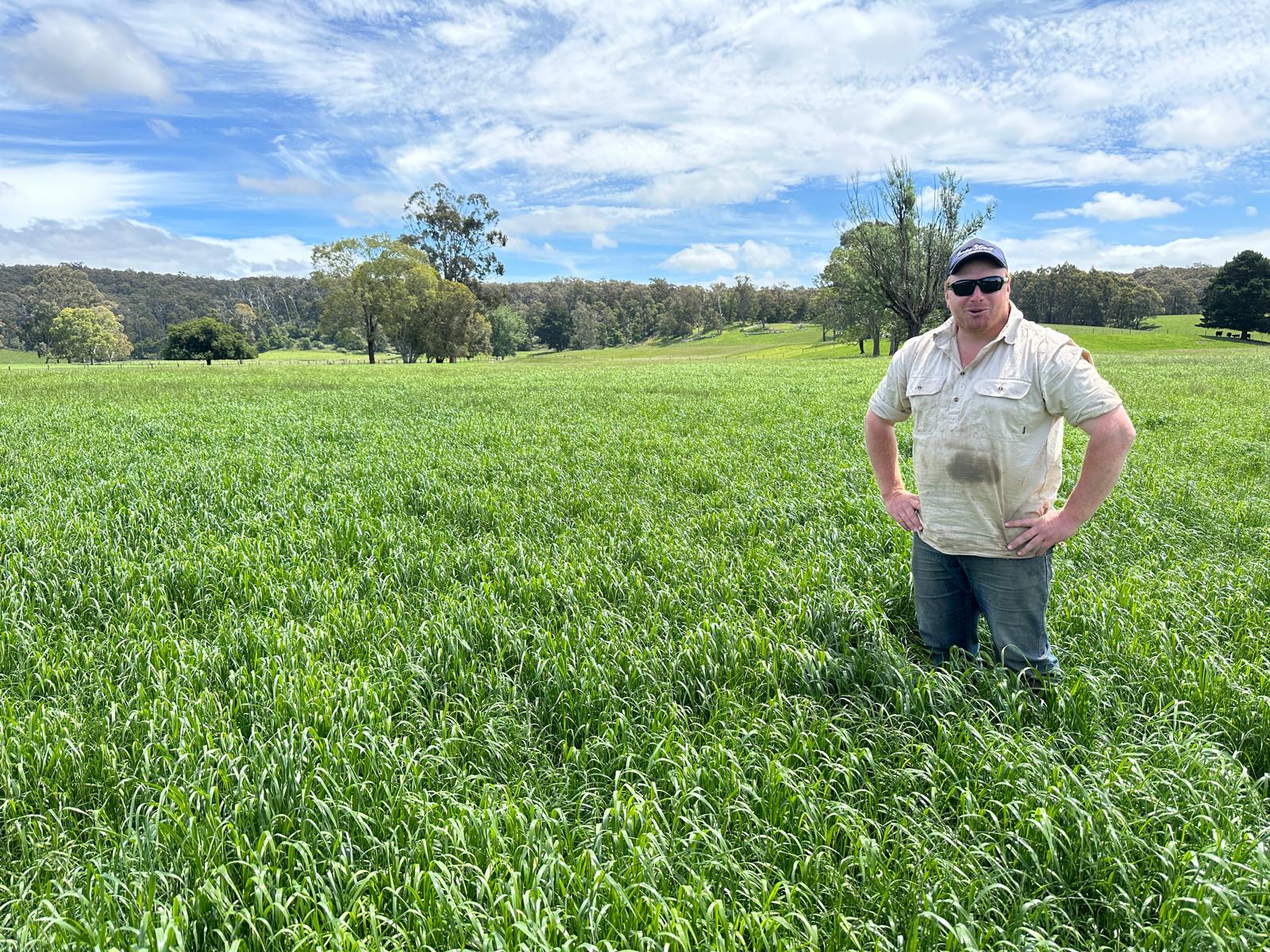
Some paddocks are now in their third year, and are still going strong.
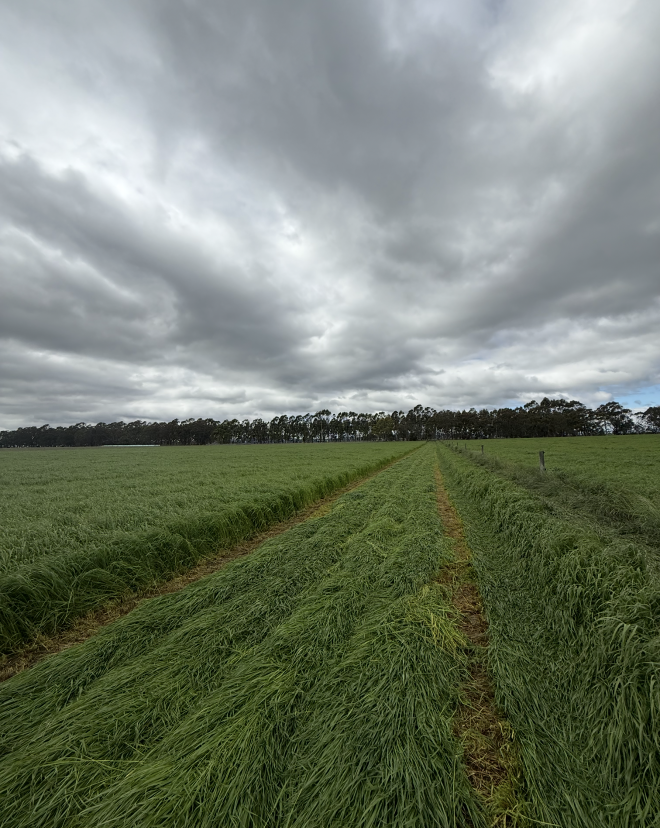
“On our best land, with a decent autumn and winter, paddocks sown in March and April 2025 gave us two grazings over winter, growing about 3-4 tonnes dry matter for the first grazing, and about 3 tonnes for the second. Then we were able to follow that with two cuts of silage.
“But it’s also performed well on some of our lesser paddocks. It’s very, very hardy.”
On top of its durability and fast recovery from grazing or cutting, Appeal’s late heading date offers extra benefits in their variable climate, Aydan says.
“If we get a wet winter – which we can – we may not be able to get onto those paddocks to cut silage until late October, but because it’s so late heading Appeal keeps its feed quality.
“On the other hand, when we’re not fighting the conditions, we can take the first cut early, then cut it again in November, again without losing quality.
“If you’re grazing it, as long as you stay on top of the growth, you can maintain feed quality right through to late November.”
The Garratts started using Appeal at the suggestion of their local Cropmark Seeds rep Adam Sheedy.
“Adam’s been really helpful,” Aydan says. “He’s come out to our place multiple times, looking at our system and recommending different strategies.”
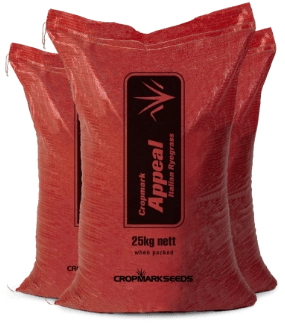
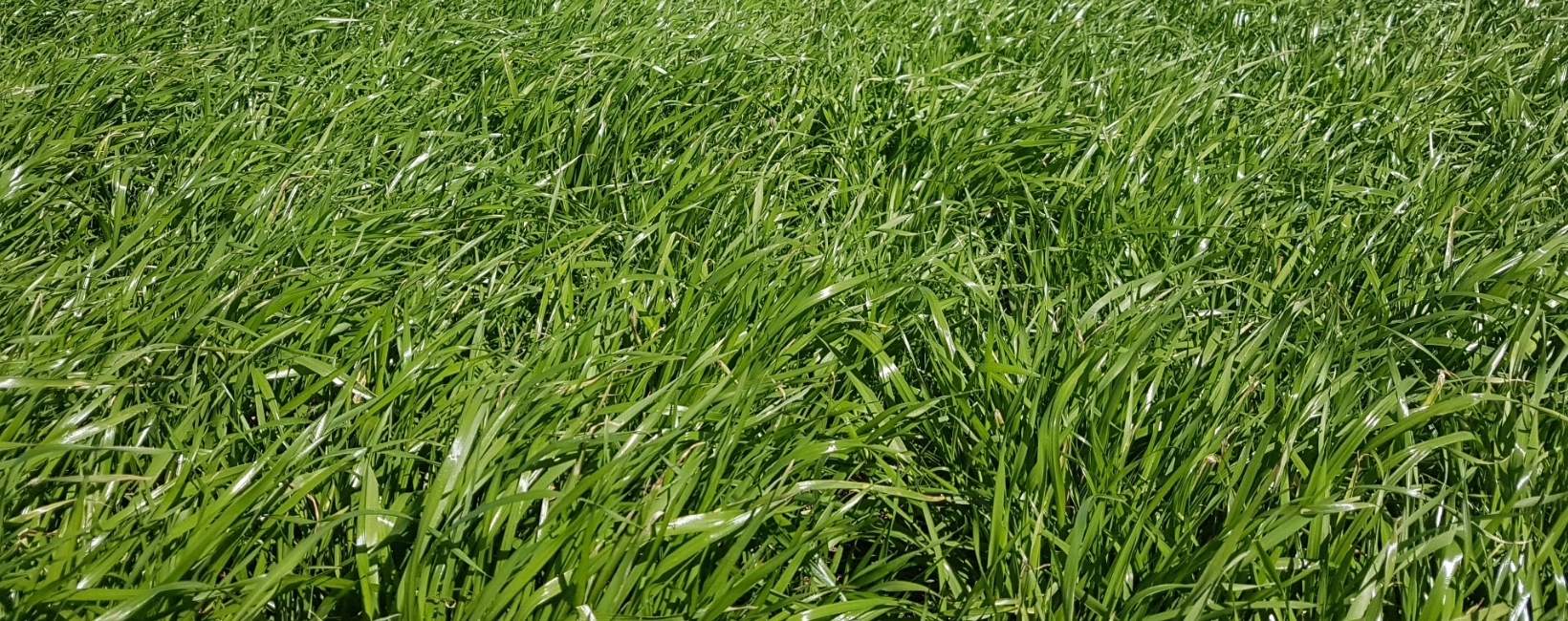
Appeal Italian ryegrass was bred for plant density, high yield persistence and the ability to withstand hard grazing as well as tougher conditions. It’s animal safe and highly palatable, with a +24 day heading date.
Featured Products